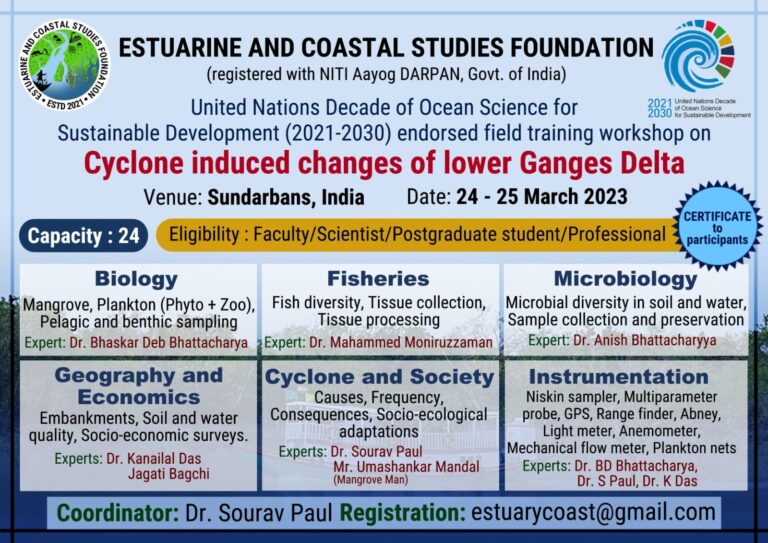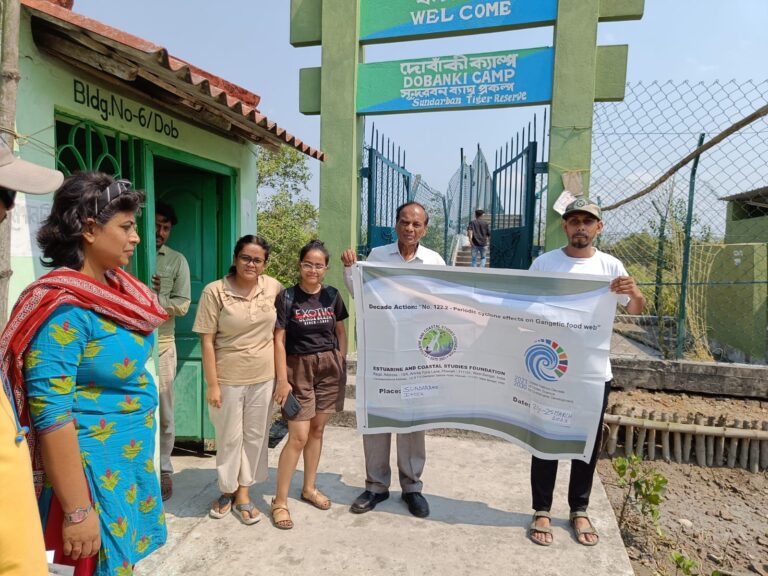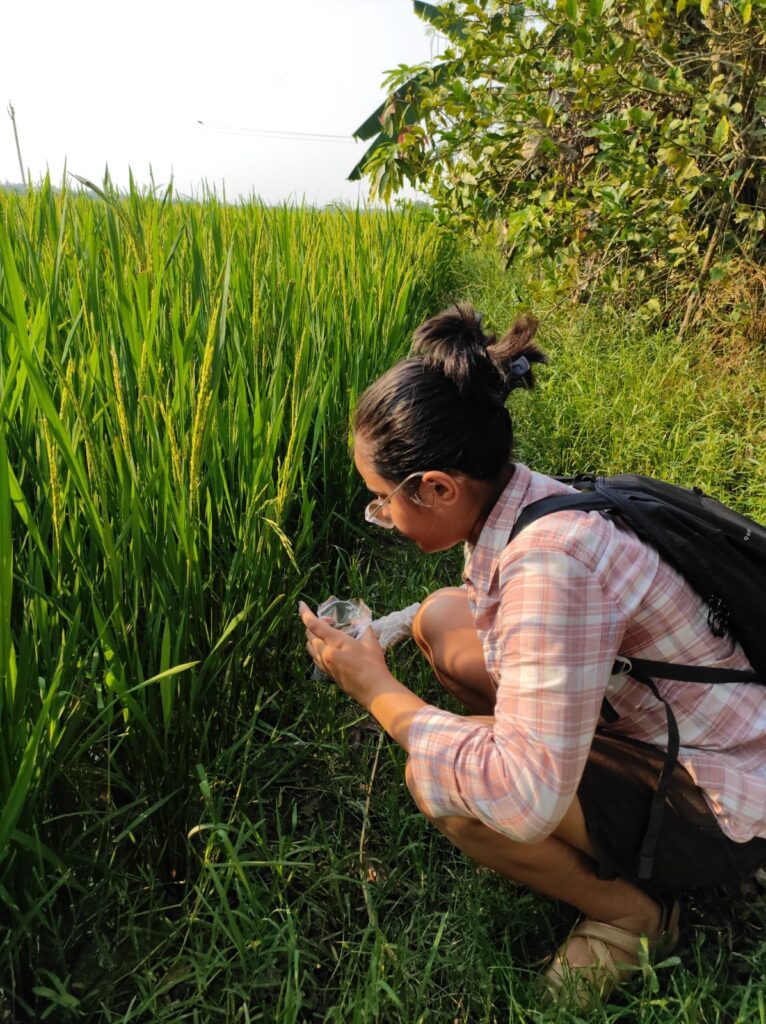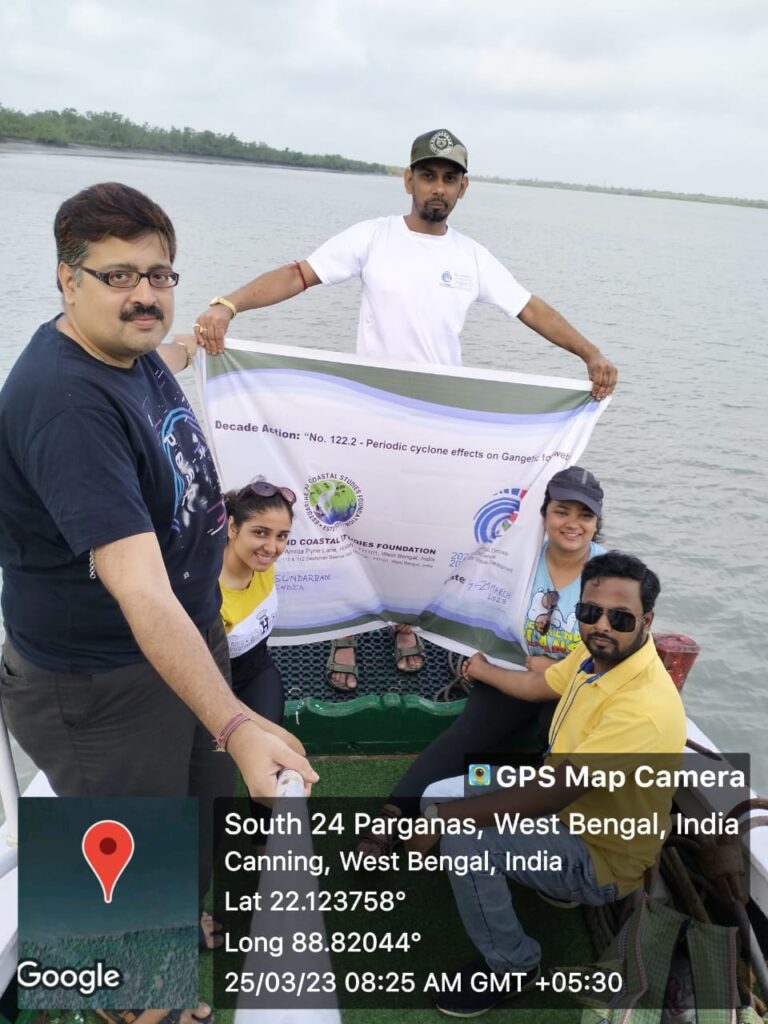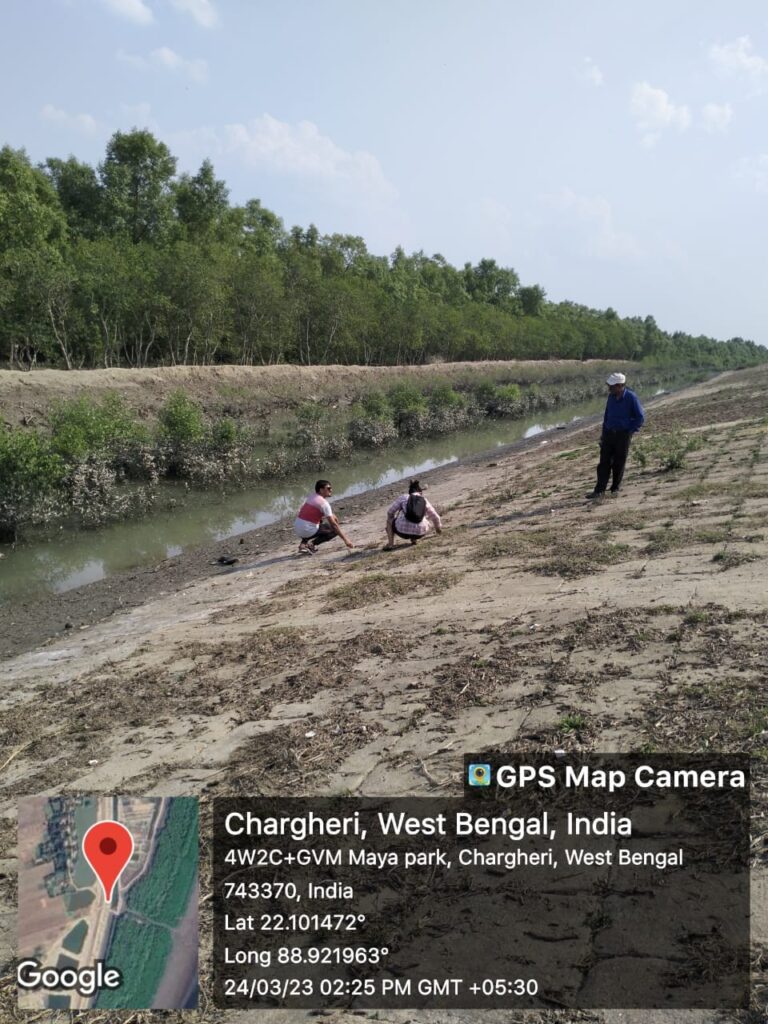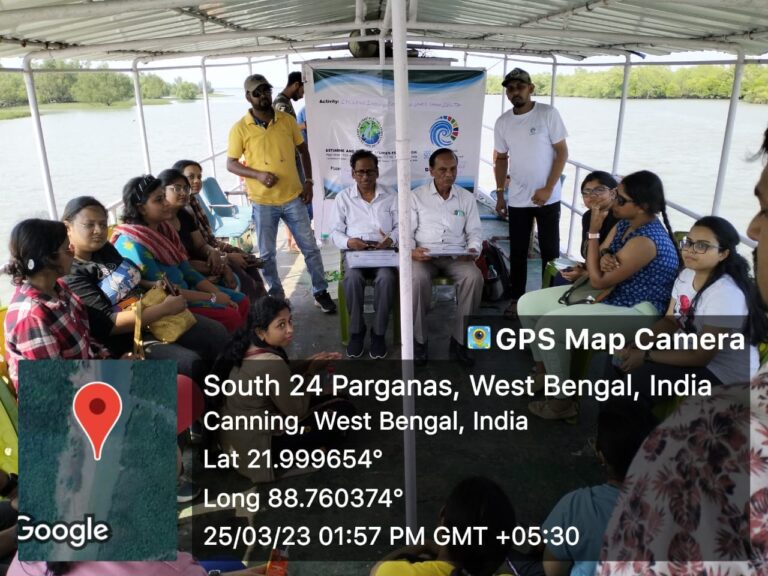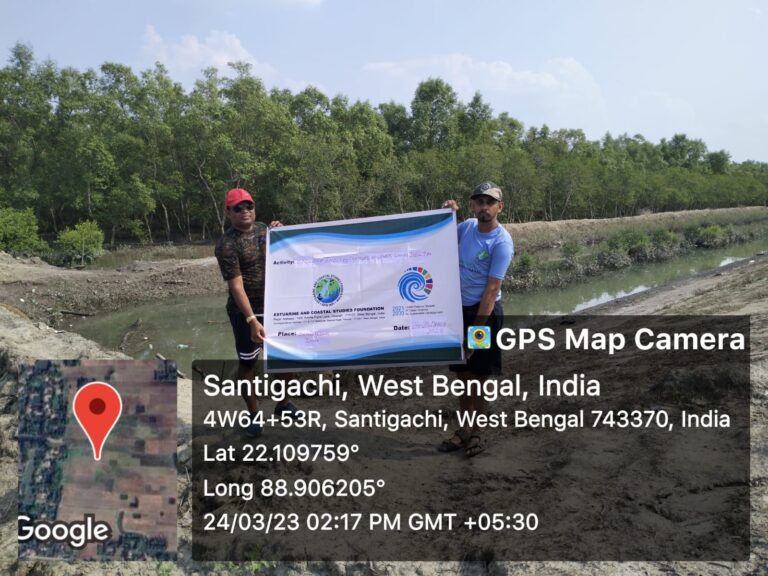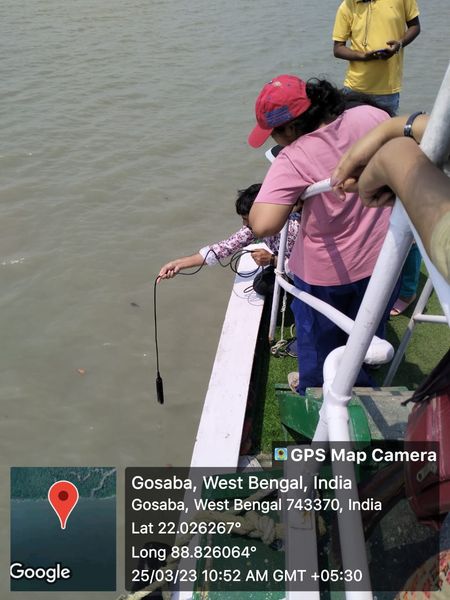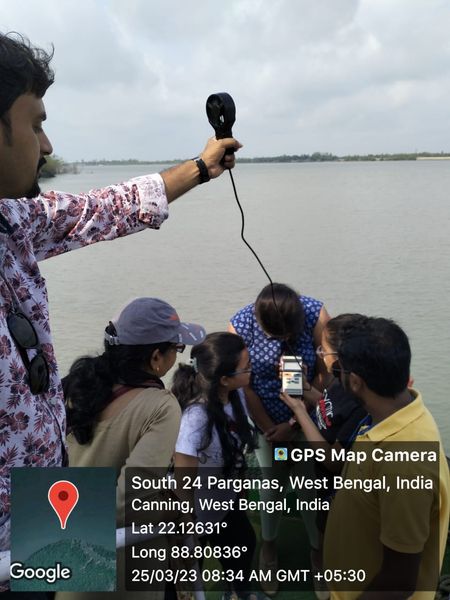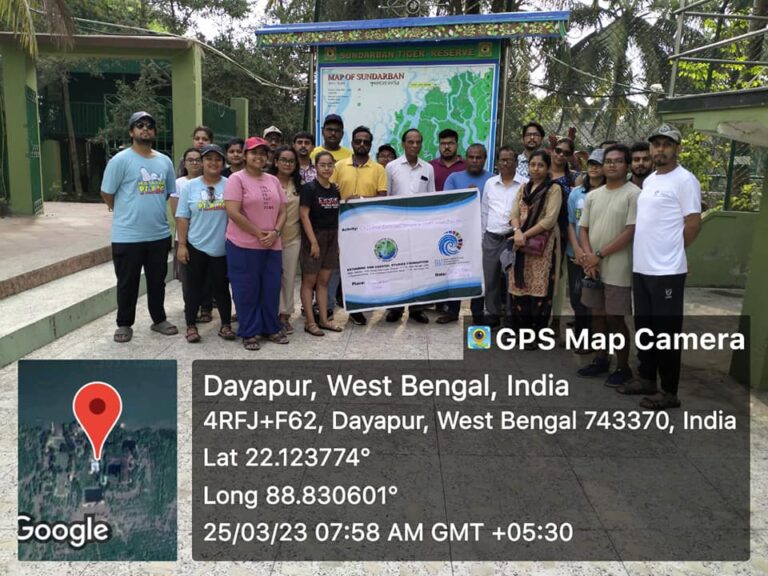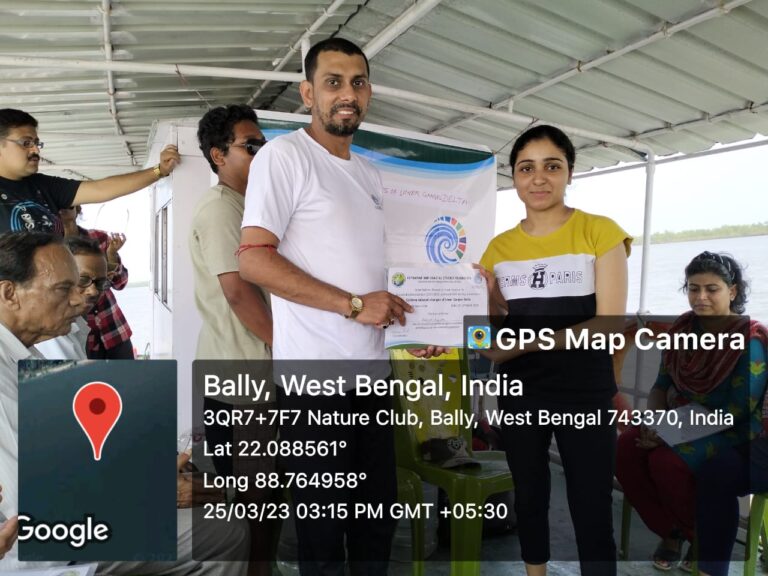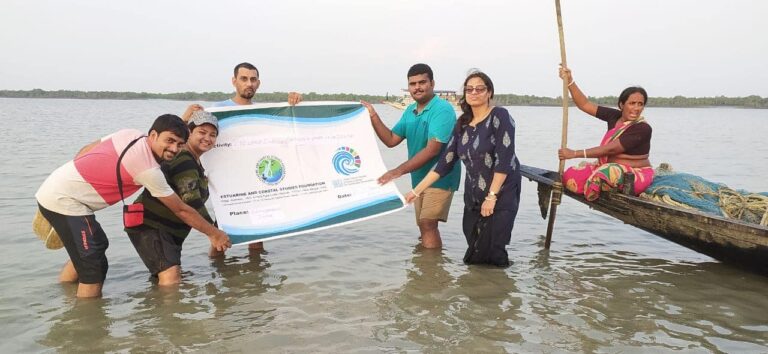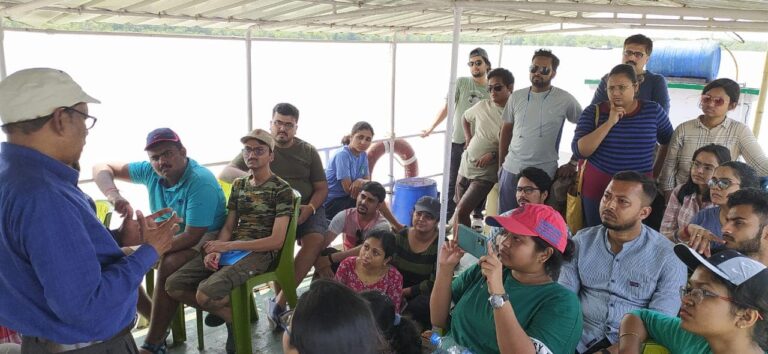

Date: 24-25 March, 2023. Place: Sundarbans, India, Foundation has conducted an IOC-UNESCO endorsed field training workshop on ‘Cyclone induced changes of lower Ganges delta‘ on 24-25 March 2023 in Indian Sundarbans. Participants included university and college faculties, PhD and PG students, community and corporate professionals of various disciplines including Zoology, Marine Science, Microbiology, Geography, Environmental Management, Fisheries, Economics, Gender studies, IT and NGO professionals. Prof. SK Raut (Professor of Zoology, University of Calcutta) the chief guest. Among the technical resource persons Dr. Bhaskar Deb Bhattacharya, Dr. Kanailal Das, Dr. Mahammed Moniruzzaman, Karabi Das, Jagati Bahchi and others were noted. Dr. Sourav Paul co-ordinated such a multidisciplinary program for Indian estuaries (1st ever attempt for Indian estuaries).
The objectives :
1. Understand and demonstrate the causes and consequences of recent cyclones on community, biodiversity, embankments and water quality.
2. How to measure impacts of cyclones on water quality, biodiversity, embankments, agriculture, lives and livelihoods of people of Gosaba region of Indian Sundarbans.
3. Train various stakeholders on cyclone science and research for bringing up more professionals and awareness building.
4. Identify the scopes of adaptation to cyclone led consequences by embracing science and research.
Message from the chief guest Prof. SK Raut
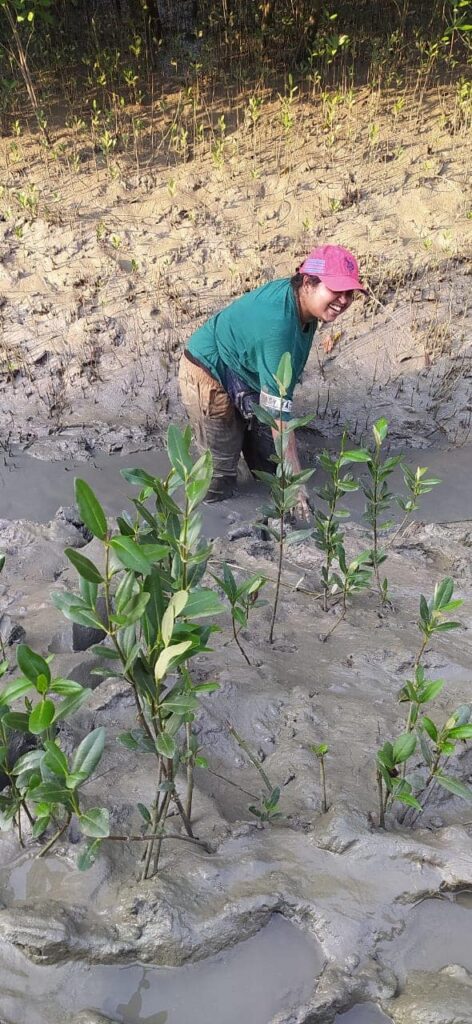
‘Sundarbans is prone to frequent cyclonic thrash. Such unpredictable disasters of and on, destabilize the ecosystems be it estuarine, marine and marine domain. Consequently it alters the entire scenario including socioeconomic status of island dwellers. UNESCO is very much aware of the facts and as such a programme “Ocean Decade ” (2021-2030) has already been introduced by the said organisation. Recently (24th &25th March) ECSF took the venture as UNESCO’s endorsement for training the research students in the field conditions extending the area Gadkhali, Gosaba, Sajnekhali, Pakhiralay… … …. on way of visualizing the nature of damage of mangroves, the river banks, the estuaries and the changes in the occurrence, density and diversity of planktons. ECSF workers are hopeful that the resilience process is very much pronounced and the entire Sundarbans may regain ecological stability soon if no new cyclone strikes prior to that period. Participants are much interested in taking part in restoration of cyclone-induced damaged ecosystems. ECSF is also taking programmes for its next venture in other areas of this UNESCO’s World Heritage Site.‘